Douyin Users Say Their Feeds Suddenly Turned Into a 'Middle-Aged Channel'
A recommendation glitch served China's biggest short-video app a stream of health tips and AI dramas, then the platform crashed outright — a rare public look at what happens when the algorithm that knows you briefly stops.
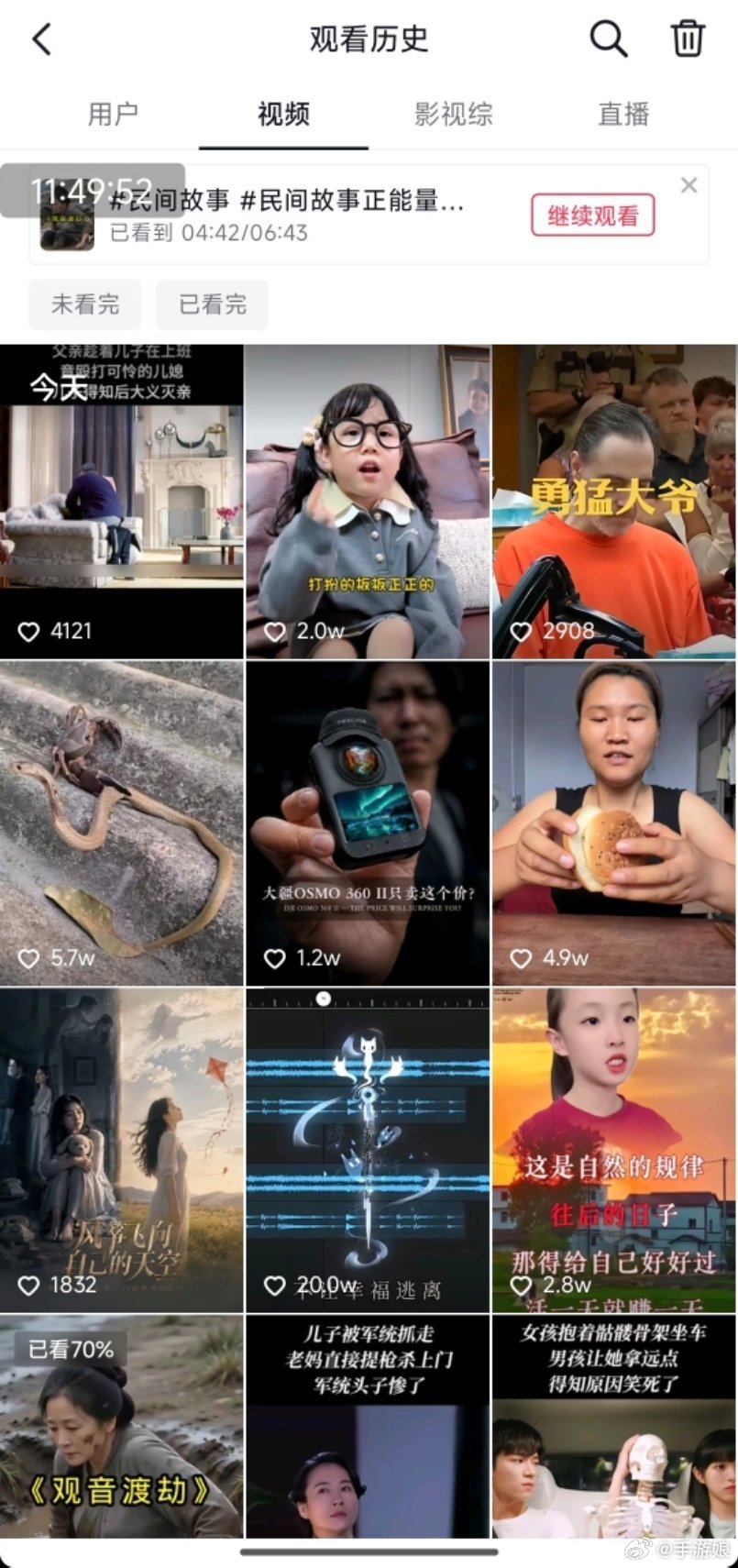
For millions of Chinese users, last weekend's lunch break came with a surprise. They opened Douyin — the short-video app known to the rest of the world as TikTok's Chinese twin — and found their precisely tuned feeds serving a stream of health tips, folk performances, AI-generated melodramas and mother-baby clips. The hashtag "Douyin recommendations are ugly" shot up the trending list, alongside a finer-grained complaint: users said they had "wandered into the middle-aged channel" (误入中老年频道).
"Why is Douyin suddenly recommending me a pile of middle-aged and elderly content?" one user wrote in a post that drew more than 40,000 likes. "Health tips, babies, parents-and-children, AI short dramas — it was so ugly I scrolled a dozen posts in a row." Another put the generational joke more bluntly: "I opened Douyin and thought I had logged into my grandma's account." A third reported that clicking "not interested" on the push did nothing, and that the feed stayed strange even when scrolled fast. Several users said the uncanny swerve made them suspect their accounts had been stolen.
The app's own customer service offered a response that has itself become a small joke: the problem was being "urgently investigated," users were asked to wait patiently, and — in a line quoted widely — those affected could "try restarting the app."
The mishap struck a nerve because the recommendation feed is the whole premise of Douyin. Unlike the "following" feed, the default experience is an algorithmic stream that claims to know its user better than the user's own search history does — and the joke about the "middle-aged channel" is really a comment on how sharply Chinese internet culture divides by generation. Content made for users in their sixties, from summer-health advice to AI presenter videos, has become a recognized genre, its own universe of formats and clichés. Young users tumbling into it uninvited describe the sensation the way one might describe receiving someone else's mail.
As if the misfired feed were not enough, Douyin then suffered a large-scale service outage on the evening of August 31, which pushed "Douyin has crashed" onto Baidu's own trending board. Users reported being unable to load content from accounts they follow, videos repeating on a loop, endless buffering, and — most confusingly — a "no network" error appearing while the network was fine. By the time service recovered, the platform had endured a weekend in which both its taste and its pipes were in question.
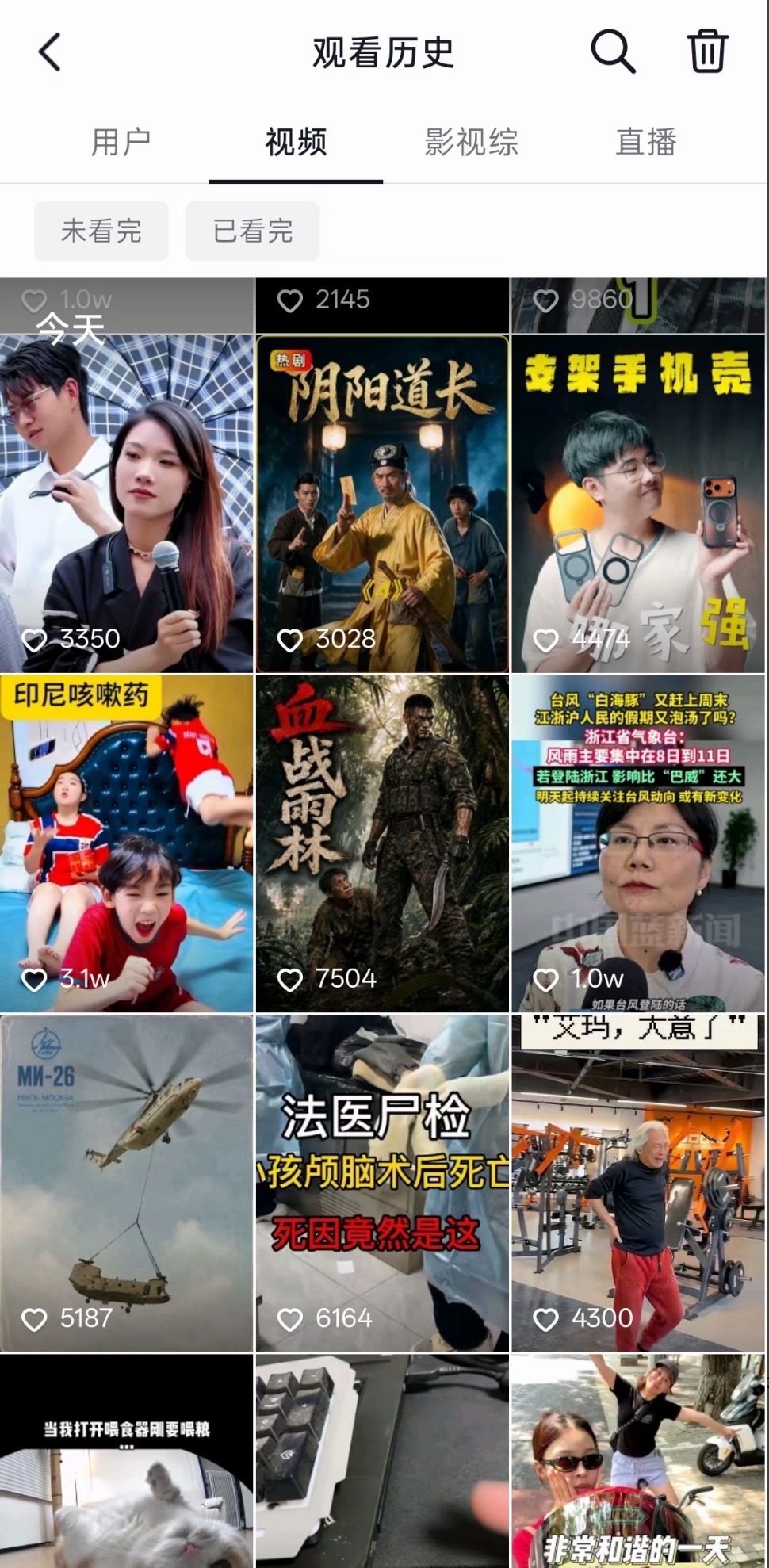
There is an irony in the timing. Douyin has spent the past year policing what appears on its platform — most famously in the case of a faceless singer whose account was banned, then unbanned a year later with nine million followers gone — and its editorial grip over content is precisely what makes an algorithmic stumble so conspicuous. The company has not said what caused the misfire, and customer service's "urgently investigating" remains the last word. For users, the episode ended with a shrug and a reboot; for the people who run recommendation systems, it was a rare public glimpse of what happens when the machine that knows you briefly stops.