Ghost Festival Is Not a Night of Taboos: How Chinese Web Users Reclaimed a Holiday of Remembrance
Millions of Chinese internet users rediscovered the real Zhongyuan Festival this week, as posts explaining that the traditional holiday was never about hiding indoors after dark went viral. Behind the taboos, they found an older tradition of river lanterns, night markets and ancestor worship, and a distinctly Chinese way of thinking about memory and death.
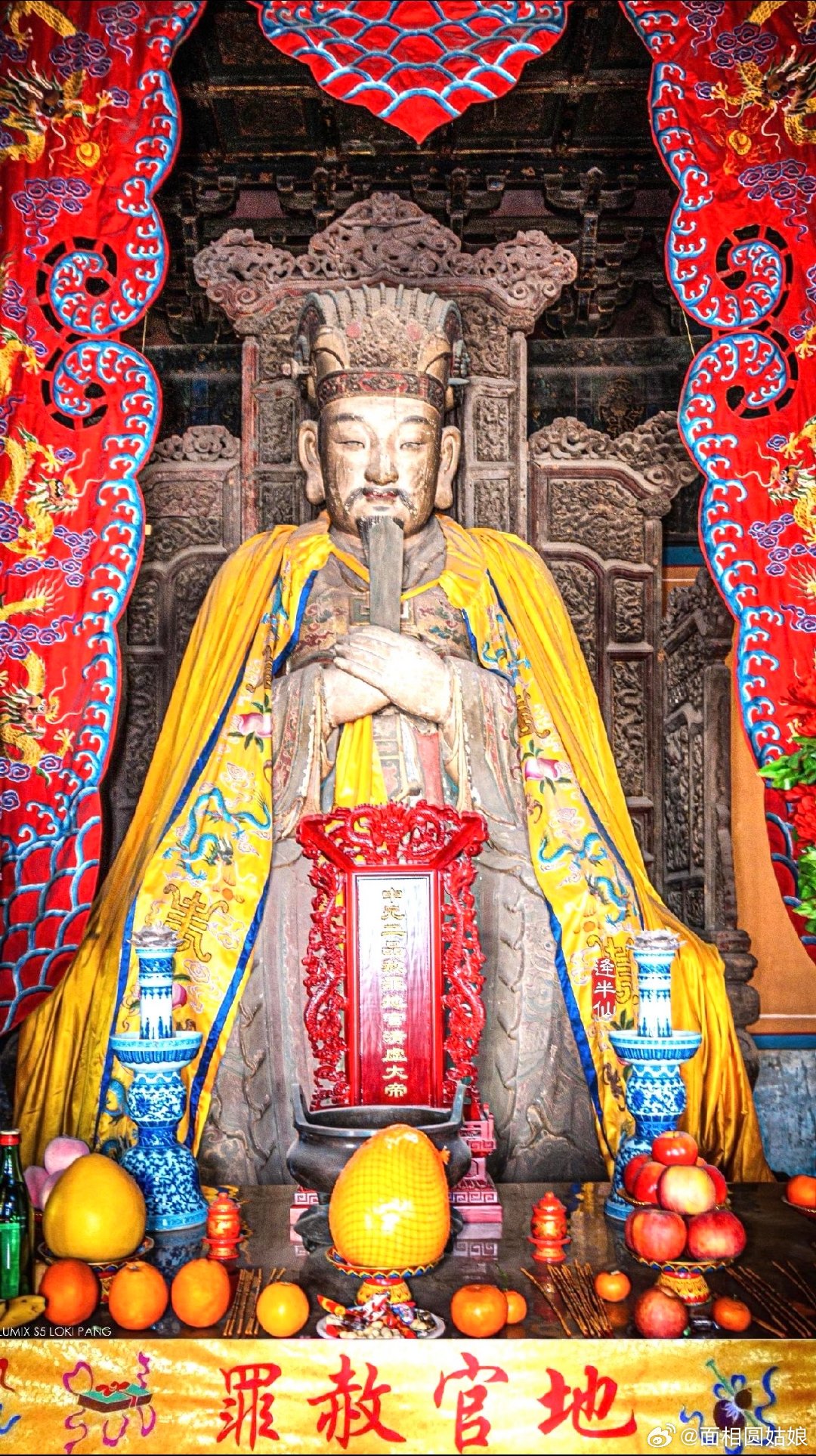
The simple advice was the surprise: no, you do not have to stay inside on the night of the Zhongyuan Festival. As China marked the festival on August 27, millions of people shared posts insisting that the popular idea of Zhongyuan as a frightening "ghost night" is a modern misunderstanding. The holiday is not a Chinese version of Halloween, and its roots are neither superstitious nor scary.
What it actually commemorates is the final day of the seventh lunar month, when the boundaries between the living and the dead are said to loosen and ancestors return. The festival has three names and three lineages. Buddhists call it the Yulan (Ullambana) ceremony, remembering how the monk Mulian saved his mother from the afterlife. Daoists call it Zhongyuan, the day the official in charge of the dead absolves sins. And folk custom calls it the Festival of Hungry Ghosts. All three converge on the same point: look after your dead, and they will look after you.
The modern Internet version of the holiday is strangely impoverished by comparison. For years, the most shared list of Zhongyuan "rules" has warned people not to stay out late, not to step on burnt paper offerings, not to pick up coins left by the roadside, and not to whistle at night, as one viral post noted. Those warnings are treated as ancient wisdom, but the post argued that they are mostly practical: the seventh month is humid and cool at night, riverbanks are slippery, and a moment of silence for someone else's ancestor is basic manners.
The scholarship underneath is more interesting. Ming-dynasty essayist Zhang Dai wrote that on the night of the seventh month, the only thing worth seeing in Hangzhou was the people. After the ancestor rites, the city's residents poured out onto the lakeside to drink, watch the moon and look at one another. By the Song dynasty, the festival's night markets were famous enough to be compared with the Lantern Festival. A Qing-dynasty record of Beijing quoted by the same post described river lanterns "rounding the city walls like floating autumn water," so many that "this year the Zhongyuan resembles the Shangyuan" — the biggest night of the annual calendar.
The visual center of the festival is the river lantern. Families fold paper boats, light a small flame inside, and set them onto water to guide wandering souls home. The frame is remembered as one of the most beautiful in Chinese folk art, and it makes a perfect image for a holiday whose point is remembrance rather than fear.
The festival's other framing, and the one that resonates on Weibo this year, is a quiet reflection on mourning. "Death is not the end; forgetting is," one poster wrote, a line that arrived with a list of prohibitions about keeping late hours and not picking up roadside money. The message underneath is that the rules are less about fear than about respect — whether that means not stepping on another family's burnt paper or simply not saying "you have a ghost behind you" to someone walking home. They are, in that sense, closer to etiquette for a shared street: this is a city full of people remembering their dead, and the polite thing is to let them do it.
That is the most useful way for an outsider to read the holiday. The taboos are not irrational leftovers but small rituals of mindfulness, and the festival itself is a reminder that in China, the bond with ancestors is supposed to continue, not disappear. The seventh month does not close the door on the dead; it opens a channel, and then politely closes it again.