Apple Raises iPhone Prices in China, and Its Own Stores Discount Last Year's Model
On the day Apple raised iPhone prices across the board in China, its authorized stores began discounting the just-delisted iPhone 17 Pro — a price inversion that has Chinese buyers asking whether flagship phones have entered a 'luxury era', with Huawei's Mate 90 waiting in the wings.
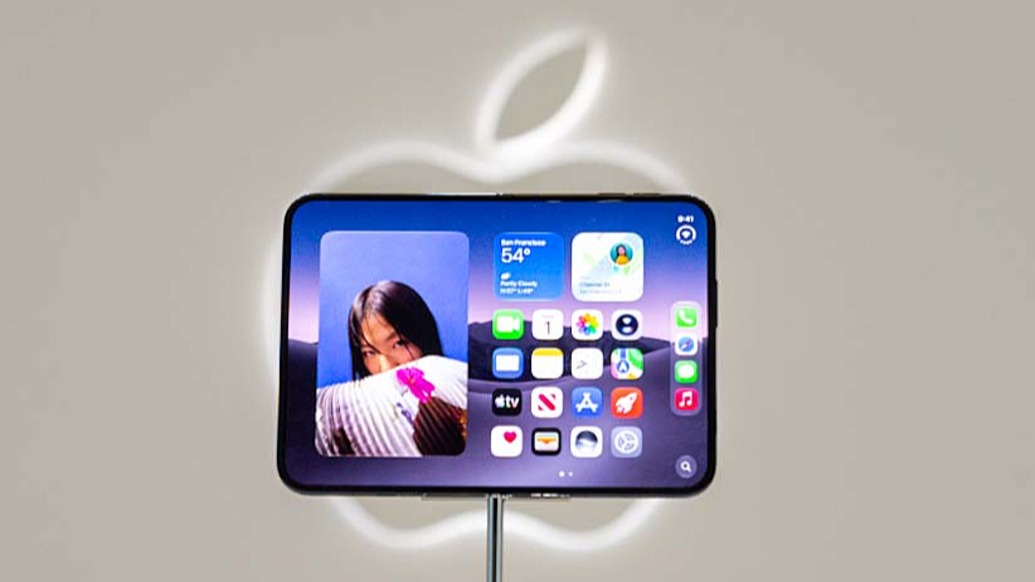
Apple raised the price of every iPhone it still sells on Wednesday, then did something that caught Chinese shoppers off guard: its own authorized stores began selling last year's model for less.
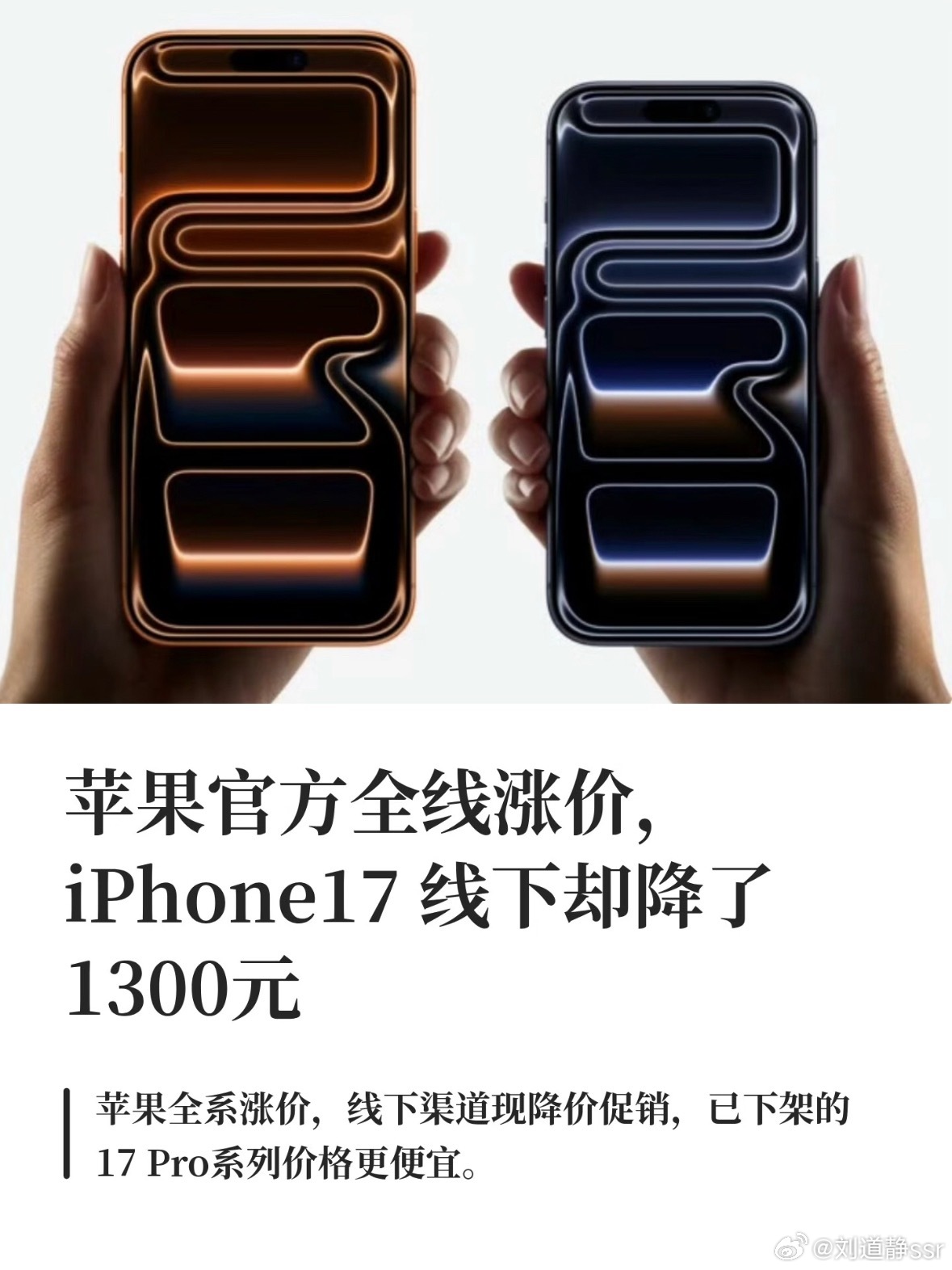
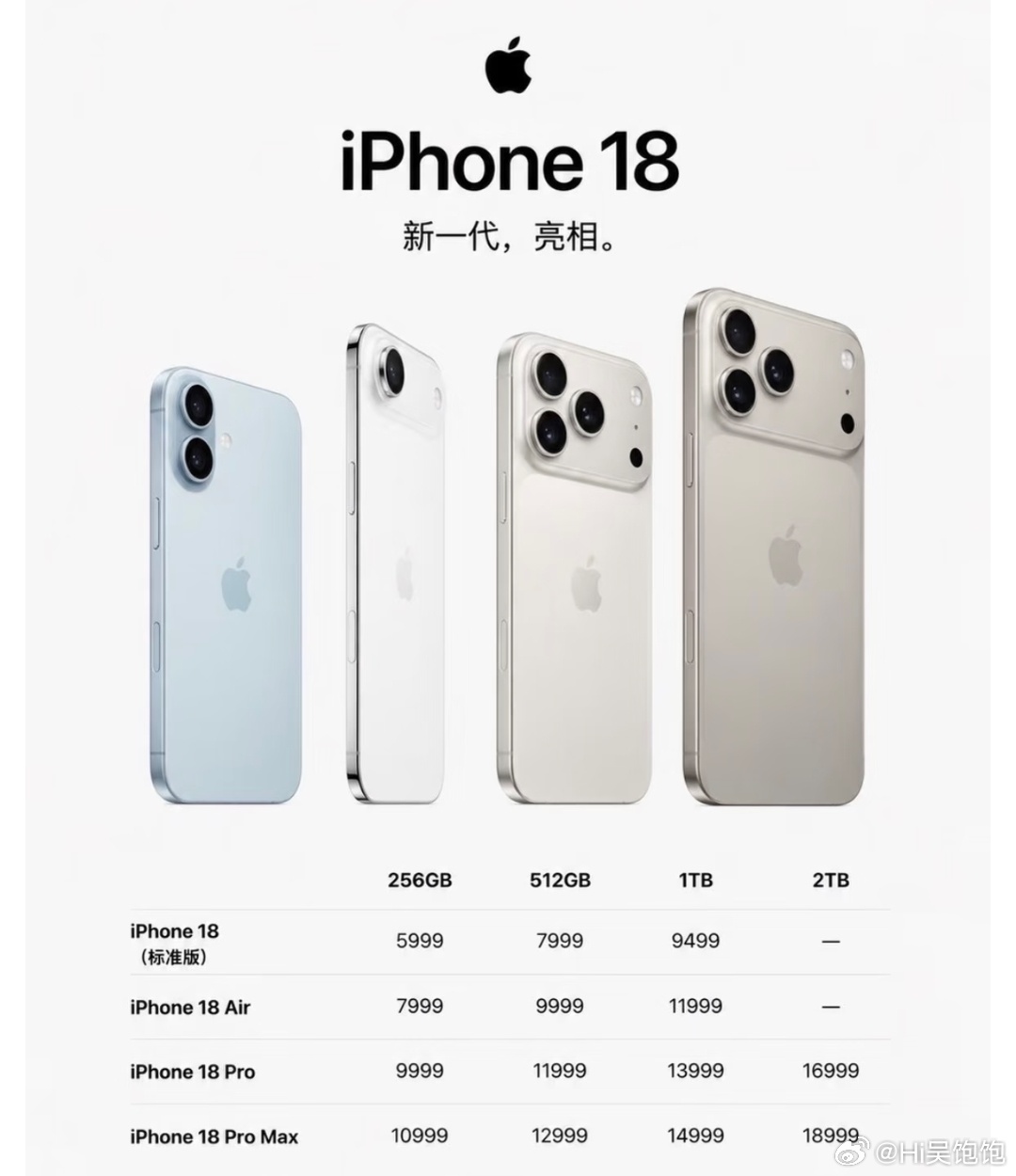
The official increases arrived with Wednesday's launch event, as our coverage of the iPhone Duo's debut reported: the iPhone 18 Pro line now starts at 9,999 yuan (about $1,400), with storage upgrades pushing the top configuration to 21,499 yuan, and older models rose by as much as 2,300 yuan. The iPhone 17 Pro vanished from the online store altogether. But a reporter from Economic View, the finance outlet of the state-run China News Service, who called authorized retailers in Beijing found the opposite of a price hike at street level: more than forty licensed stores in the city were cutting prices on the very day of the announcement. The delisted iPhone 17 Pro and Pro Max were selling for 500 yuan below their pre-delisting price, and the standard iPhone 17 — officially 6,799 yuan — could be had for 5,499 yuan after store discounts and China's national technology subsidy, a cut of roughly 1,300 yuan, or about $180. One store employee explained the discount on the 17 Pro bluntly: Apple required it.
Why the shelves defy the sticker
The inversion is a quirk of how Apple manages its China channel. Once a model is delisted, authorized stores clear remaining stock at whatever price moves it — and this year, that pressure has an added edge. The iPhone 18 Pro's 9,999 yuan starting price is itself roughly a 500-yuan jump, and Baidu's hot board spent the day on a phrase that would have been unthinkable a few years ago: "phones enter the luxury era." The discussion traces to component costs — average memory-chip prices rose more than 200% in the first half of 2026, costs that handset makers are now passing through — and to a launch season in which multiple flagship phones crossed the 10,000-yuan line in a single week.
That is the backdrop to the other half of Wednesday's trend: Huawei. The Mate 90 series is expected within weeks — the site has followed its return to open 5G certification — and rumored pricing that circulated on Weibo puts the base model near 5,999 yuan (about $840), with a 6,500-milliamp-hour silicon-carbon battery and satellite messaging as headline features. Against an iPhone 18 Pro at 9,999 yuan, the comparison writes itself, and Weibo users made it for themselves: one post arguing that "the 18 Pro at 12,000 for 512GB makes the 17 look appealing again" gathered wide agreement.
The buyer's arithmetic
Hong Kong media tabulating launch-day sentiment found the same conclusion taking shape: the model Apple just retired may be the quiet winner of the cycle. On Zhihu, the highest-profile question of the day asks whether the 18 Pro's chip, variable-aperture camera and cooling upgrades can "support this price increase" — a question that, for the first time in years, has a live alternative sitting one generation and several thousand yuan below it.
Whether Chinese buyers accept the new price floor depends on something neither Apple nor Huawei controls: memory-chip supply. In the meantime, Beijing's discounting stores have made one thing clear — the sticker price is now a suggestion, and the last-generation iPhone is this season's bargain.