The Invisible First Cuisine: Why China's Foundational Cooking Has No Restaurants
A question near the top of Zhihu — why China's 'first of the Eight Great Cuisines' has almost no restaurants — has diners debating how Shandong's Lu cuisine won so completely that it disappeared into the default of Chinese cooking.
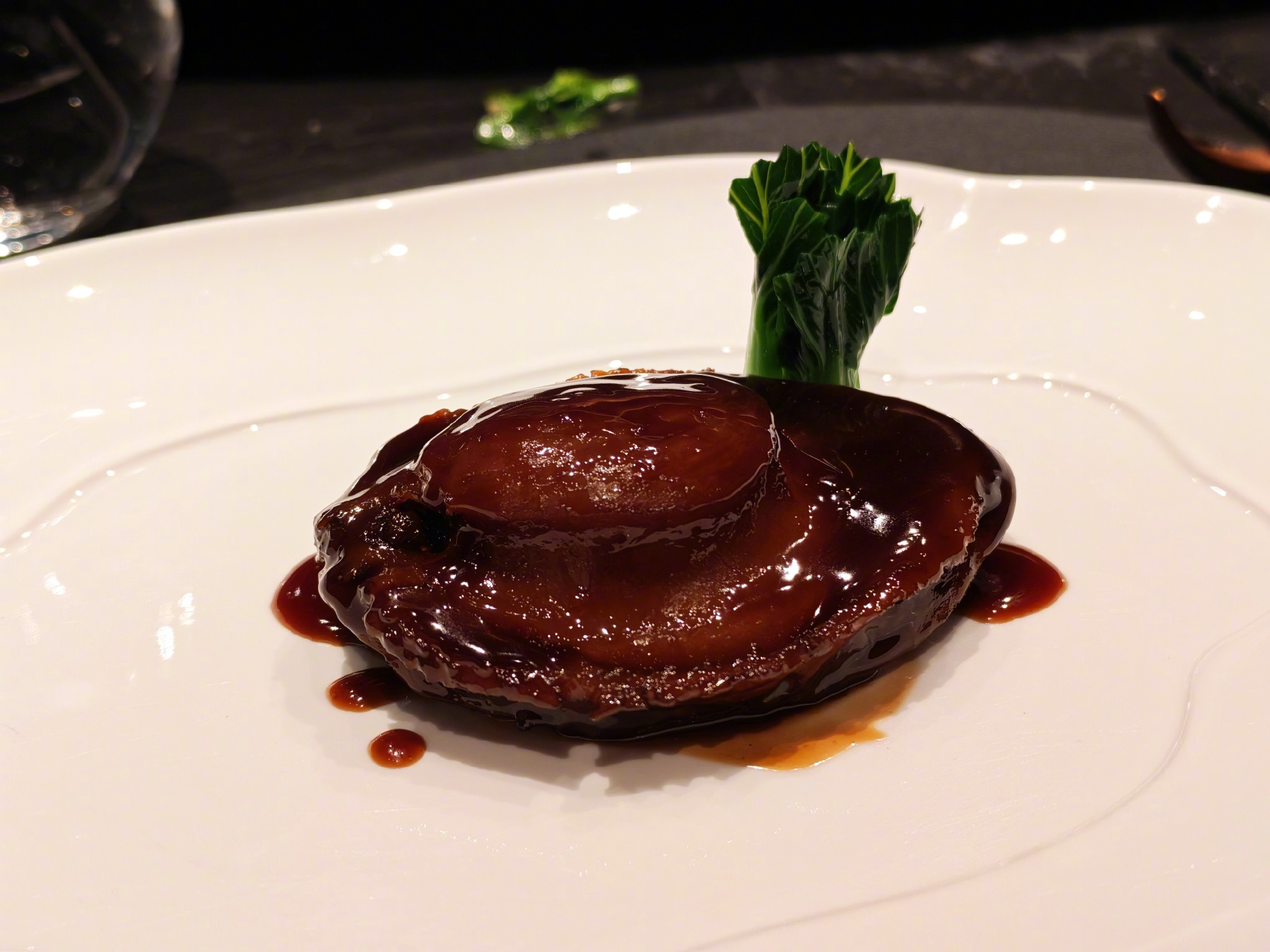
Somewhere near the top of Zhihu's trending board this week sits a question that would puzzle most Chinese diners for a second, then make them nod: if Lu cuisine is the first of China's Eight Great Cuisines, why does almost no one ever see a Lu cuisine restaurant? It has drawn thousands of answers, most of them converging on the same wry conclusion — that Shandong's cooking is everywhere, and that is exactly why it has no name on the door.
Lu cuisine, the food of Shandong province, holds the senior position in China's culinary hierarchy largely by being the ancestor rather than the competitor. Its techniques — the scallion-scented oil that starts a proper northern stir-fry, the high-heat flash-frying, the clear and milky stocks that professional kitchens graded themselves against — became the grammar of Chinese cooking itself. Shandong chefs staffed the imperial kitchens in Beijing for centuries, and court banqueting shaped what officials and northerners came to regard as simply "proper food." The paradox the Zhihu questioner put a finger on is that a cuisine which won so completely dissolved into the default: a home kitchen in Hebei or a state-banquet hall in Beijing can both be cooking Lu cuisine without anyone calling it that.
The answers also point to economics. Lu cuisine's canonical repertoire is banquet food — whole braised elegance, soups that take a day, dishes built for a table of ten — which never adapted to the casual, single-diner restaurant economy that turned Sichuan and Hunan food into national chains. Its flavors run salty and rich, an engineer's palate from a cold, wheat-farming coast, out of step with the lighter southern profiles that dominate fashionable dining. And Shandong, for all its economic weight, sent fewer migrants to China's southern boom cities than the provinces whose street food followed them — cuisines travel on their diasporas, and Lu cuisine mostly stayed home.
What makes the trending question more than a food-history quiz is that Shandong is visibly pushing back. When the singer Zhou Sheng brought his tour to Jinan last week, he praised Lu cuisine from the stage and performed a Shandong food song, turning the province's cooking into a concert moment that local outlet New Yellow River covered under the tag "walking food ambassador". At the high end, restaurants such as Lu Style in Beijing's CBD — one diner's visit, posted with nine photographs this month, introduced it as "the head of the Eight Great Cuisines" — are doing for Lu cuisine what renovation brands did for regional food elsewhere: giving the tradition a price point, a dining room and a name on the door.
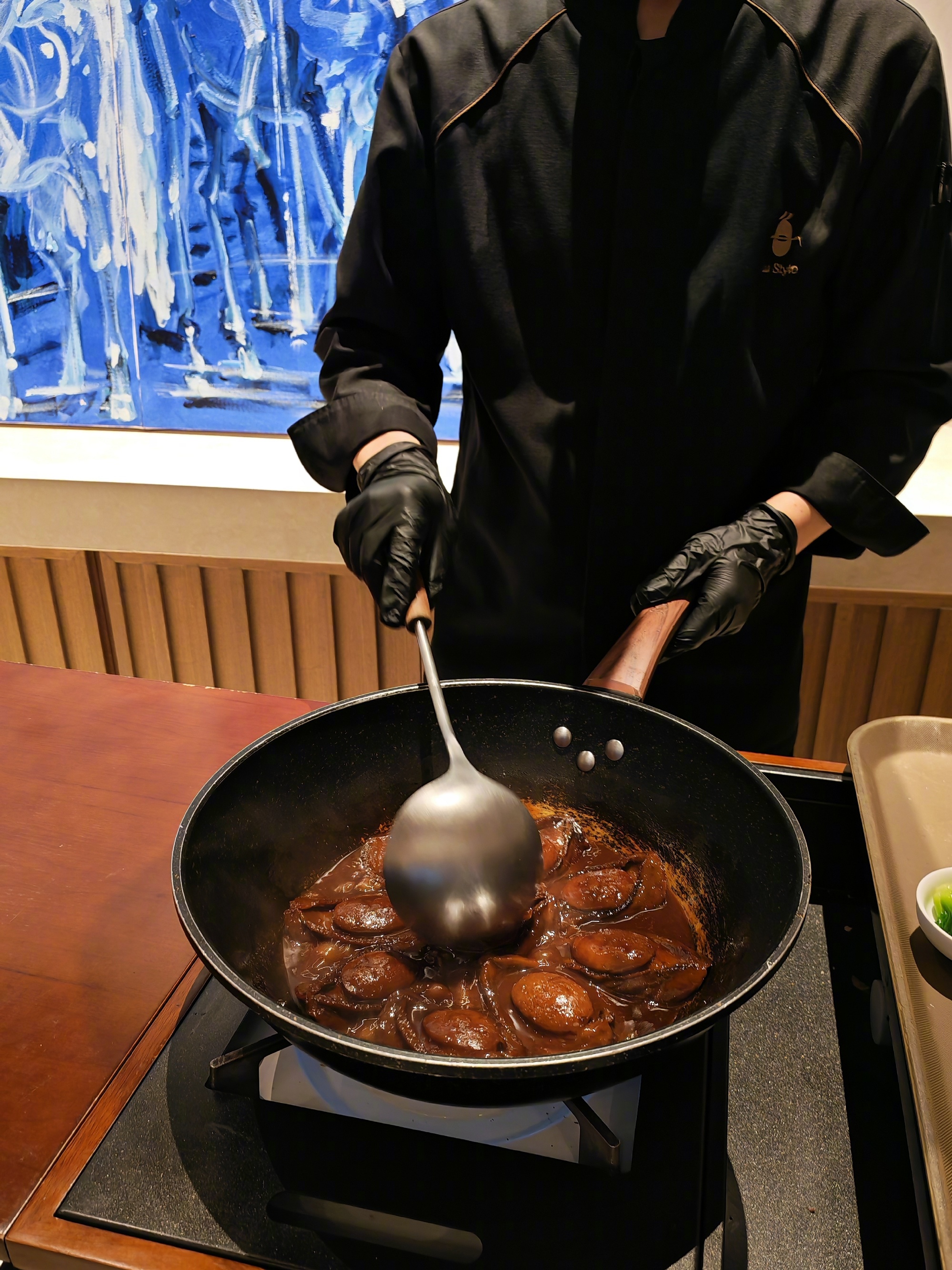
Whether the effort can make the ancestor visible again is the open question the board is really debating. The Zhihu thread's most-liked answer argues the cuisine's problem is precisely its status: it is treated as the foundation everyone stands on, and foundations are not photographed. A diner who wants to taste Chinese food history does not need to find a Lu cuisine restaurant for that, one answer notes — they need only recognize that, depending on the dish, they already have.