'You Are Our Family': Xi Opens the SCO's 25th-Anniversary Summit in Bishkek
Welcomed to Kyrgyzstan with the words 'you are our family,' Xi Jinping opened talks in Bishkek ahead of a summit marking 25 years of the Shanghai Cooperation Organisation — the China-founded bloc now spanning 27 countries and trying to define what it is for.
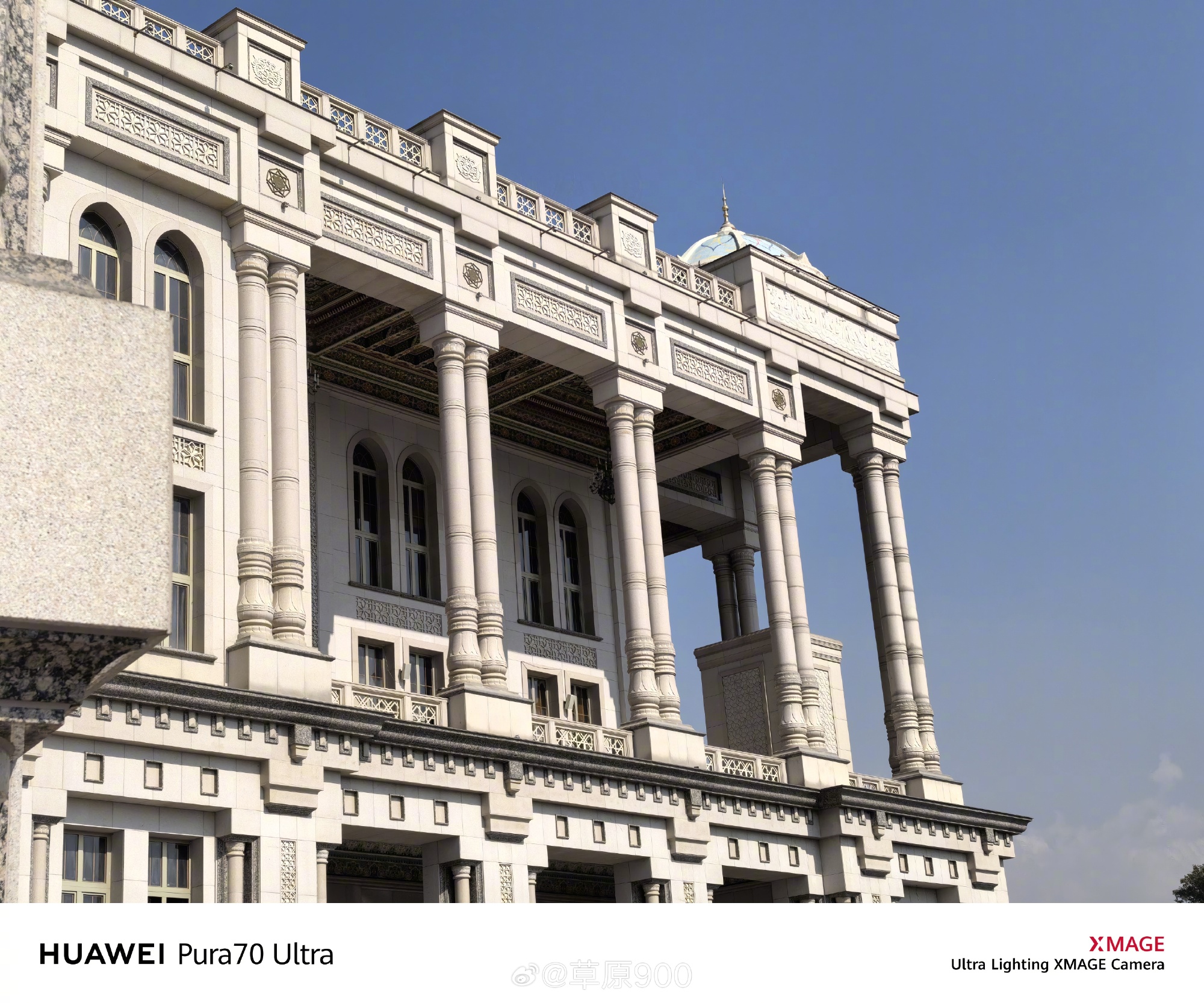
The welcome at Manas airport came with a line no protocol briefing would have predicted. "You are our family" (您是我们的家人), Kyrgyzstan's President Sadyr Japarov told Xi Jinping on the tarmac outside Bishkek on Sunday afternoon, greeting the Chinese leader on his third visit to the country and to a summit that China's state media spent the weekend explaining to the entire country at once. Talks opened Monday morning at a Bishkek venue known as the Palace of Harmony, a day of meetings ahead of the two-day summit marking the Shanghai Cooperation Organisation's 25th anniversary — the bloc China founded and remains its most consequential multilateral project.
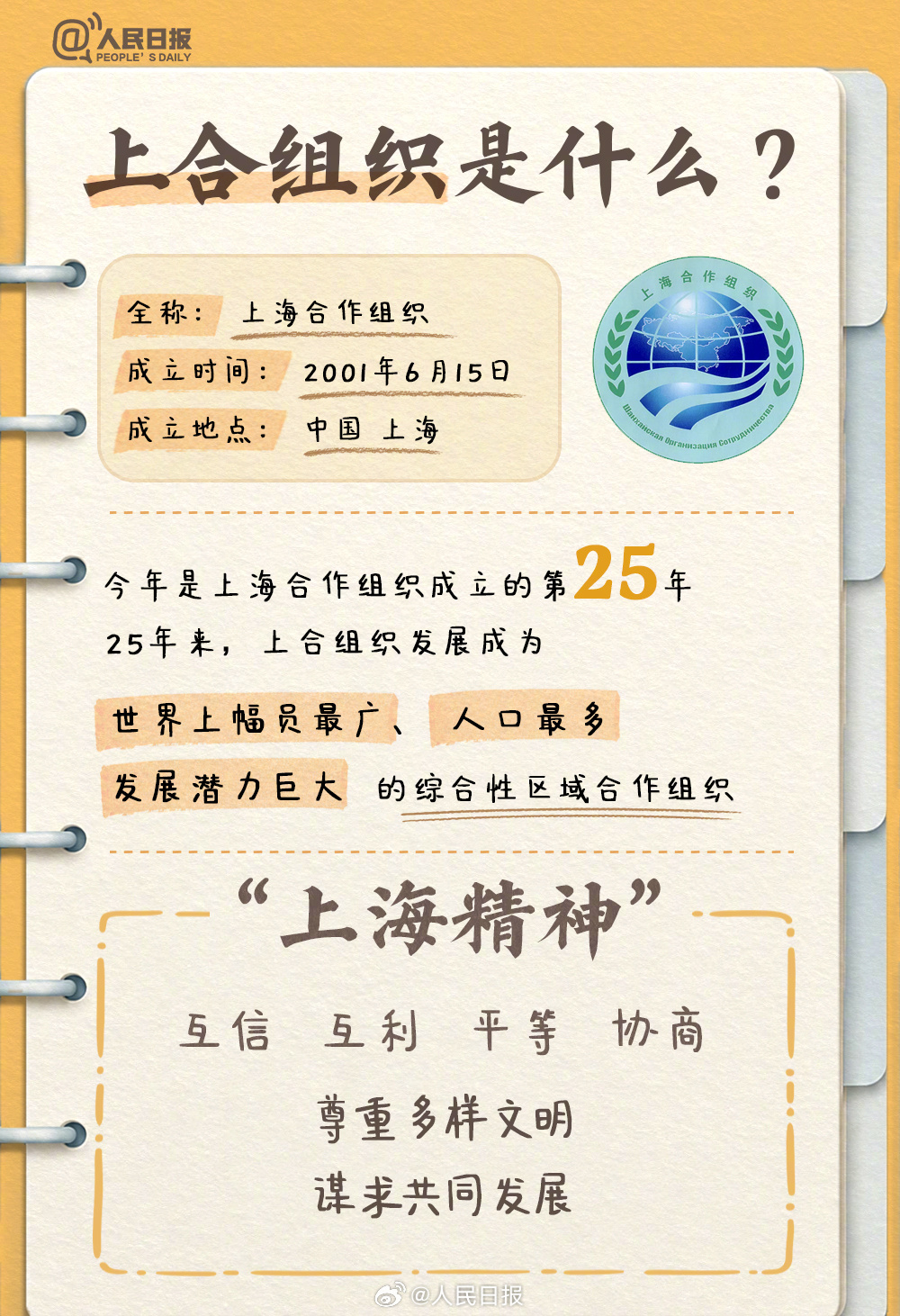
A 25-year-old club, explained in nine pictures
Chinese readers met the anniversary through a wave of explainers, led by a nine-image grid from People's Daily that was shared hundreds of times under the hashtag "9 pictures to understand the SCO summit" (9图读懂上合组织峰会). Its notebook-style cards walk through the basics an international reader needs too: the organisation was founded in Shanghai on June 15, 2001, by China, Russia and the Central Asian states, on a creed it calls the "Shanghai Spirit" — mutual trust, mutual benefit, equality, consultation, respect for different civilisations, common development. Ten member states now belong, and the wider "family" of observers and dialogue partners spans 27 countries across Asia, Europe and Africa by the explainer's count.
The organization's job description has always sat between security and economics, and the anniversary debate on Chinese platforms turned on exactly that. One scholar's post under the hashtag argued the SCO has grown into "a constructive force in international and regional affairs" — and posed the question his peers are now discussing: what might NATO learn from the SCO about global security cooperation? It is a measure of how Beijing wants the bloc seen: not as an alliance with a treaty bench, but as an alternative model of consensus among states that do not always agree.
Why Bishkek matters to Beijing
The location is the message as much as the anniversary. Kyrgyzstan holds the rotating chairmanship and has made transport connectivity its priority — roads, customs and rail links across a region that has become China's overland corridor to markets westward, skirting routes that run through Russia or the sea. Chinese commentary has picked up the practical angle: one travel blogger's post, swept up under the summit hashtag, described driving all five Central Asian republics and predicted that the crossing out of China's Horgos pass and on toward Bishkek is about to get "visibly smoother," with Central Asian road-trip tourism set to boom behind it.
The summit also closes a busy stretch of Chinese diplomacy at home and abroad — as our earlier coverage noted when Xi departed, the trip pairs the summit with a state visit to Egypt, extending a diplomatic fortnight well beyond the bloc's own map. A 25-year-old institution founded to settle borders and build confidence among six neighbors is now being asked to hold together a family of 27; whether it can convert anniversary sentiment into decisions in Bishkek this week is the question its founders' generation did not have to answer.