Subscribe to our newsletter

Stay updated with the latest news and trends.

No spam. Unsubscribe anytime.

Browse

Categories, quick links and the newsletter.

Quick Links

Newsletter

Get the latest updates

Subscribe to our newsletter to stay informed about trending topics.

No spam. Unsubscribe anytime.

T

Culture

Viral Weibo Clip Promotes Self‑Love Over People‑Pleasing, Sparking Nationwide Debate on Reducing “Inner Friction” in China.
Culture

Viral Weibo Clip Promotes Self‑Love Over People‑Pleasing, Sparking Nationwide Debate on Reducing “Inner Friction” in China.

A short video posted by the popular Weibo account “顶流的日常” has sparked a wave of discussion around the phrase “关于我为什么很少内耗” – roughly translated as “Why I rarely experience internal friction.” Within days of its upload, the post climbed the platform’s trending list, prompting thousands of users to share personal anecdotes, repost the clip, and debate the underlying message.
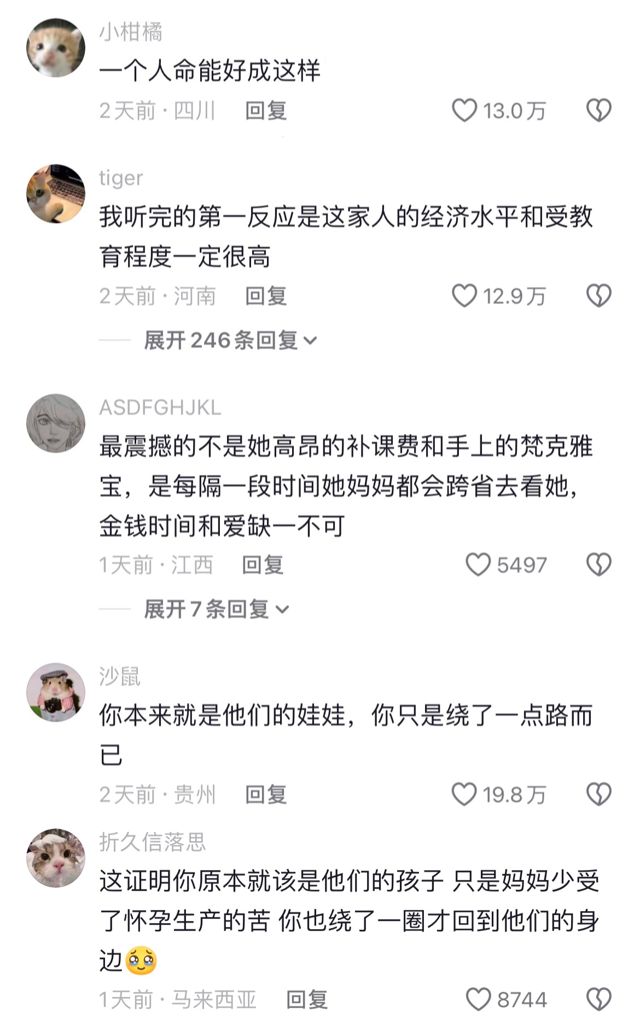
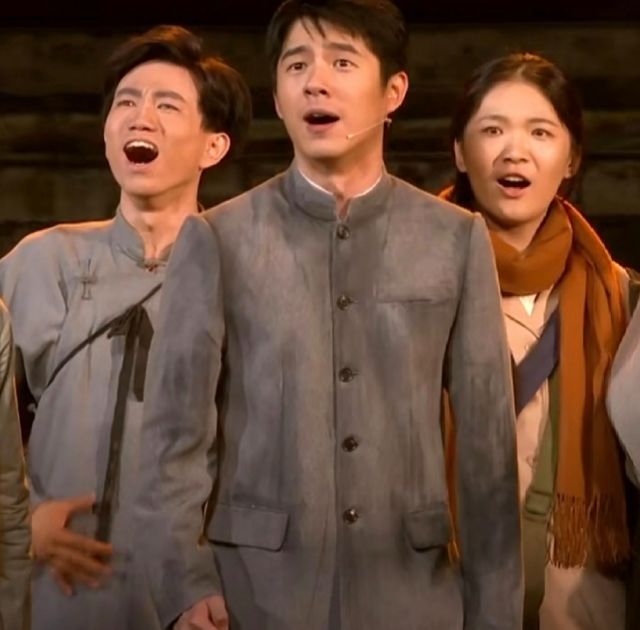
China’s Viral Meme “How Can One’s Life Be So Good?” Sparks a Nation‑wide Debate on Fate, Privilege, and Social Mobility
Culture

China’s Viral Meme “How Can One’s Life Be So Good?” Sparks a Nation‑wide Debate on Fate, Privilege, and Social Mobility

The question “一个人的命怎么能好成这样啊?” – roughly rendered as “How can one person’s life be so good?” – has been bubbling up across China’s most vibrant social‑media platform, Weibo, for weeks now. At first glance the phrase sounds like a simple exclamation of envy or admiration, a quick punchline attached to a celebrity’s latest yacht or a friend’s seemingly effortless success. Yet as the posts multiply, a richer conversation emerges, turning a meme into a barometer of how contemporary Chinese think about destiny, privilege and personal agency.

Two Different “Wu Yue’s,” One Mistake: No Real Story Behind the Viral‑Looking Name
Culture

Two Different “Wu Yue’s,” One Mistake: No Real Story Behind the Viral‑Looking Name

In recent weeks, English‑language newsrooms have been tracking a curious name that has appeared sporadically on Chinese social platforms: 吴越吴樾. At first glance the string looks like a single person’s full name, but a deeper look reveals two distinct characters—吴越 (Wu Yue) and 吴樾 (also rendered Wu Yue in pinyin, but written with a different second character). The overlap of pronunciation has led to a swirl of speculation, yet the evidence points to two unrelated figures rather than a single trending celebrity or event.