China's Memory Chip Champion Sues the Pentagon as Its New Chip Reaches Mass Production
CXMT, the DRAM maker that broke Samsung, SK Hynix and Micron's grip on China's memory market, has filed suit in a Washington court against its 'military company' designation — the same week it began mass-producing LPDDR6 memory and reported a half-year profit of 77.6 billion yuan.
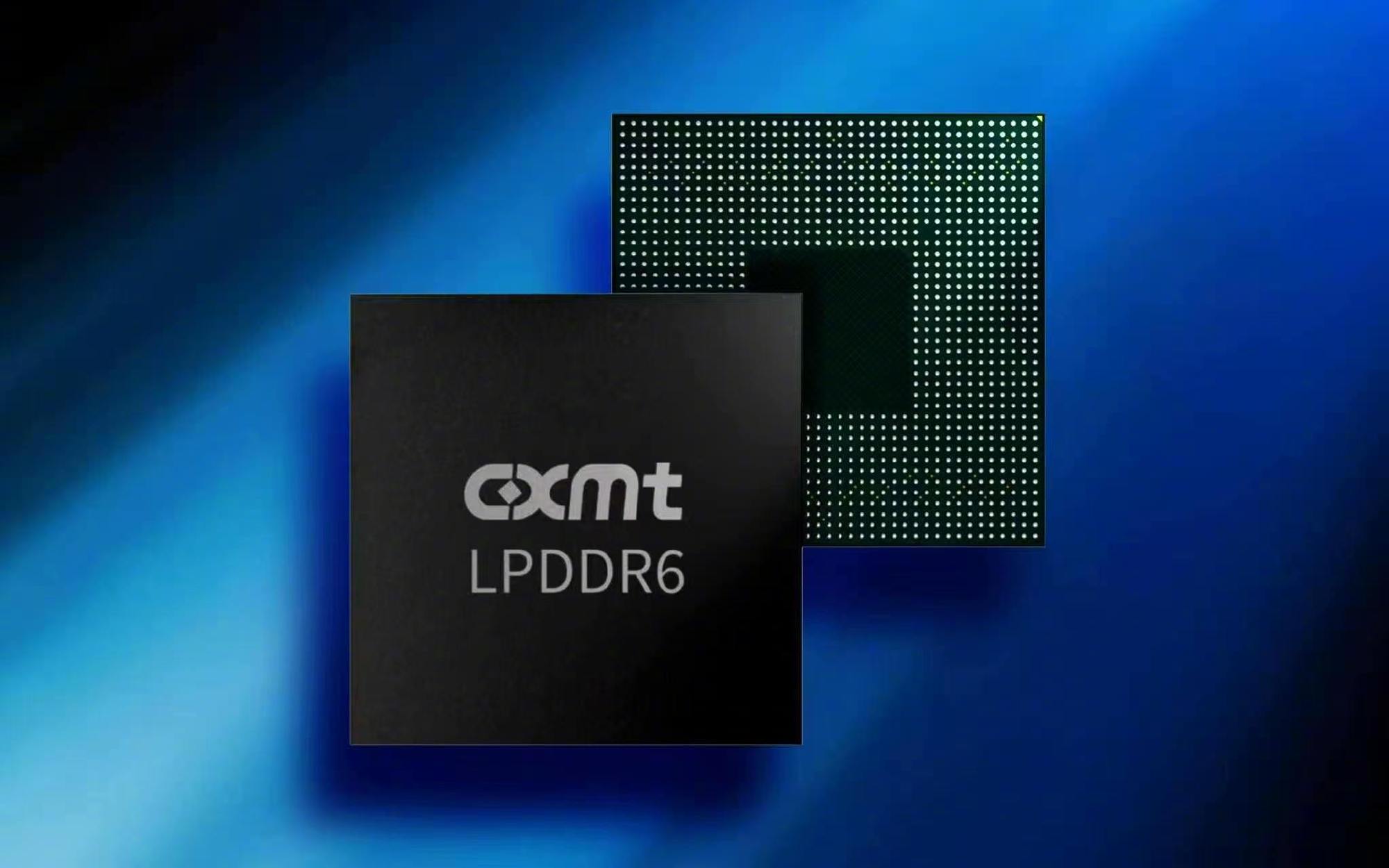
The week that China's leading memory chip maker had long worked toward arrived with a double announcement. On August 28, CXMT filed a lawsuit in the US District Court for the District of Columbia against the Department of Defense, challenging its placement on the Pentagon's list of "Chinese military companies" as arbitrary, unsupported by evidence and in violation of due process, and asking the court to strike it from the list. The defendants include Defense Secretary Pete Hegseth and two other officials. The suit was first reported by Reuters and quickly topped Baidu's search board.
The next morning, the company's attention was on manufacturing rather than litigation. CCTV Finance reported that CXMT's LPDDR6, the latest generation of low-power memory that sits in every smartphone, had entered mass production — the first chip of its type developed in China — with Xiaomi announcing that its in-house XRING O3 processor would be the first to support it, debuting in the Xiaomi 18 Fold folding phone. Lei Jun, Xiaomi's founder, congratulated CXMT publicly and called the pairing "just the beginning" of cooperation between Chinese tech firms.
The confidence to sue the Pentagon rests on a business that has just transformed. CXMT's listed arm reported first-half revenue of 150.3 billion yuan, up 874% from a year earlier, and a net profit of 77.6 billion yuan after a loss-making stretch, according to its interim results. Its stock-market debut lit up the STAR Market with a 466% first-day surge, and investors immediately began asking whether NAND flash maker YMTC — which has just filed to raise 33 billion yuan — would be the next CXMT or the next cautionary tale.
For years the DRAM market has been an effective oligopoly of Samsung, SK Hynix and Micron; CXMT is the challenger that built domestic supply at scale, and designation on the Pentagon's Section 1260H list matters because it signals to American partners that the company is treated as military-linked. The lawsuit argues the label has no factual basis — and by filing in a US court rather than merely protesting, CXMT is following the playbook of other Chinese firms, from drone maker DJI to contact-lens maker Moody, that chose to fight the list judicially.
Chinese consumers, meanwhile, have more immediate hopes. "Can some of that capacity go toward driving memory prices down?" one popular post asked. "I want to build a PC and I can't afford RAM."