Dreame Shuts Its Hypercar Project a Year After Promising the World's Fastest Car
Dreame, the Chinese vacuum-maker that announced in August 2025 it would build the world's fastest car, is winding the project down after cutting the team from about a thousand people to a few dozen. Reports that its launch-day 'rocket car' was a remote-controlled model shell have made the collapse a parable of China's EV hype cycle.
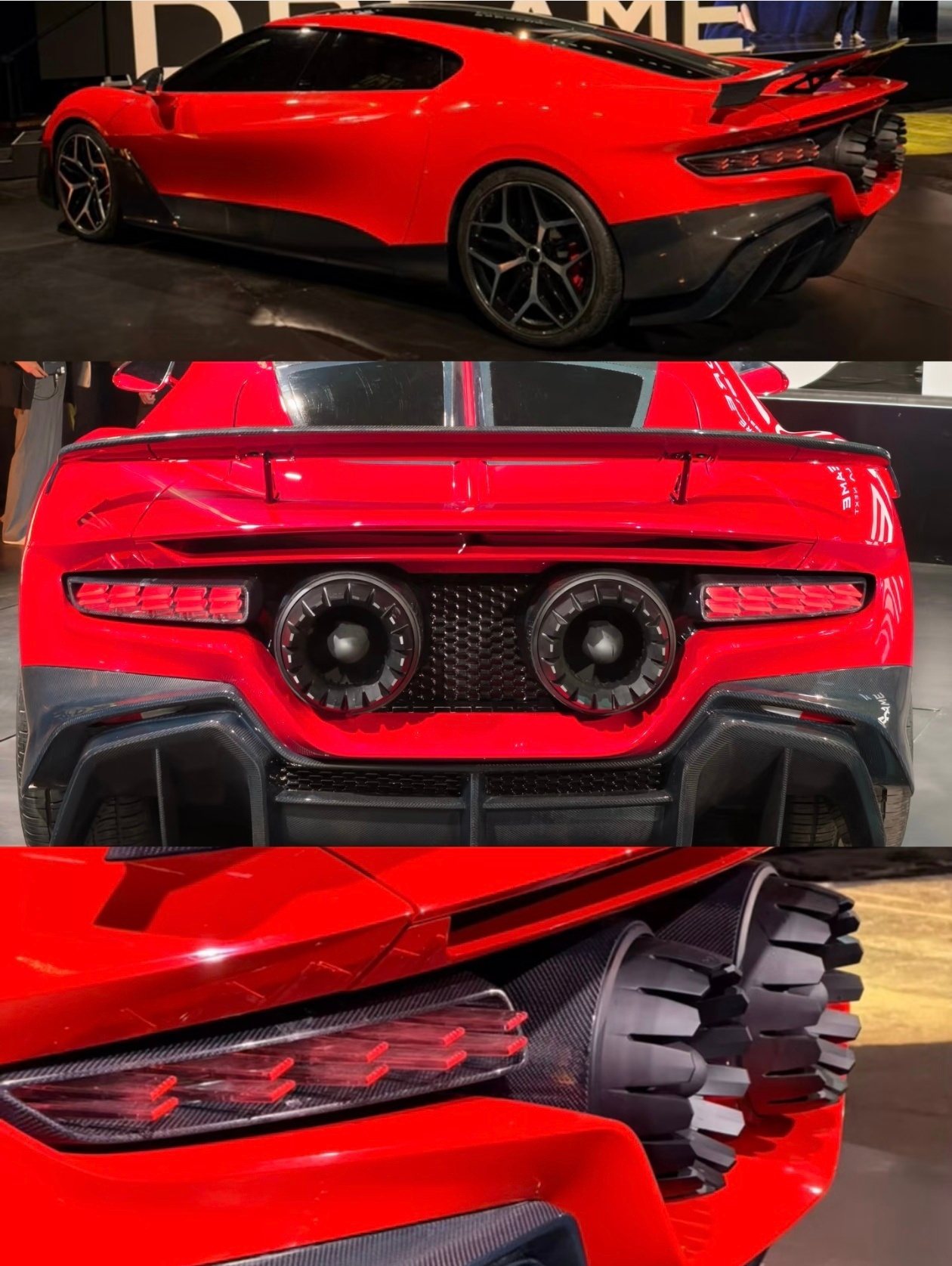
A year ago this week, Dreame — a Chinese company best known for robot vacuums built around high-speed motors — stood on a stage and promised to build "the world's fastest car." This week, China Economic Net's automotive desk reported the venture is closing down: the companies registered under Dreame's car-making arm, the "Starry Sky Project," are set to be deregistered and the business wound up. The interval between the promise and the retraction was almost exactly twelve months — the project was announced on August 28 last year, and the closure reports landed on August 24.
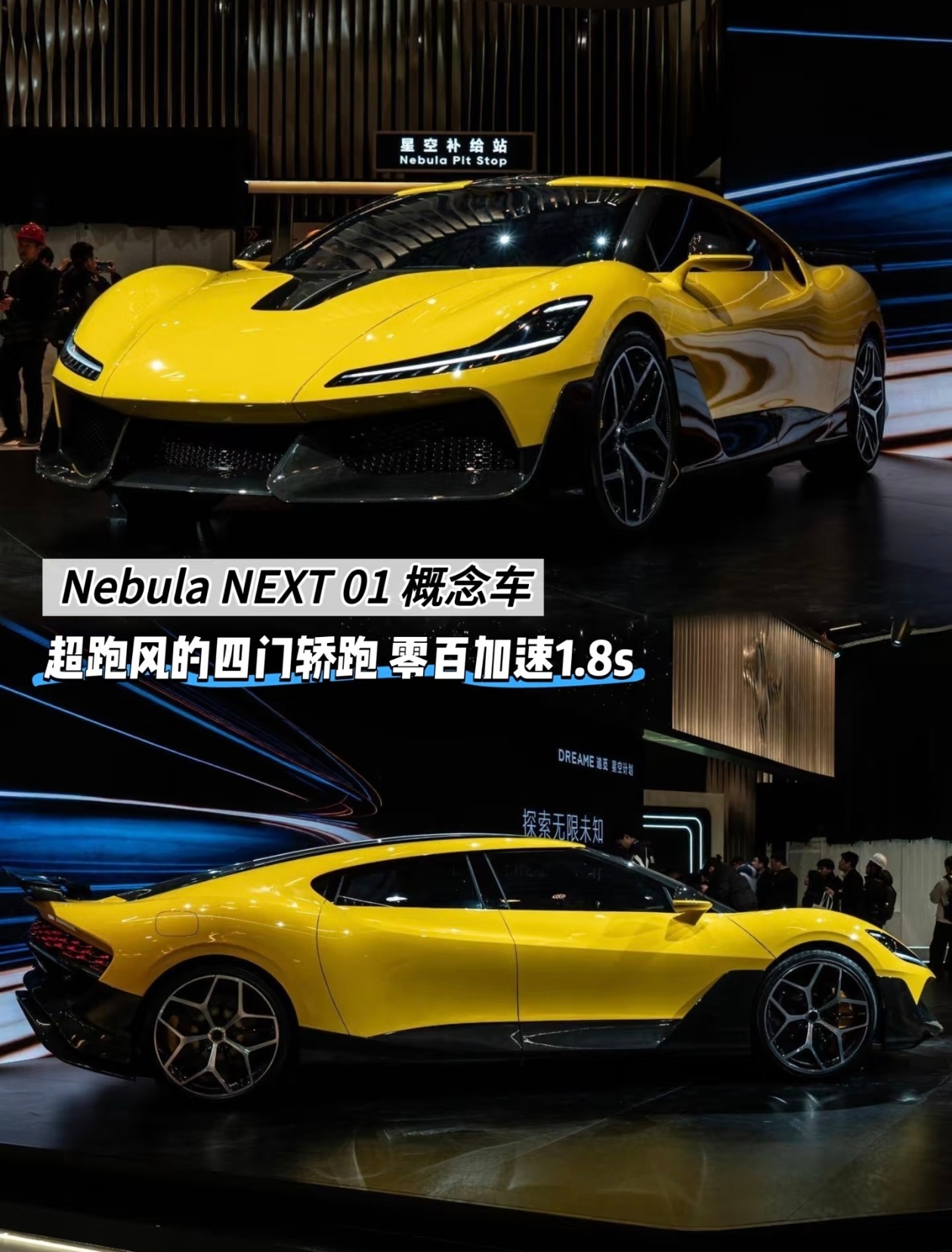
Those twelve months were busy, in the way of ventures that generate announcements rather than vehicles. The company scouted factory sites in Brandenburg, Germany; staffed a car unit that reportedly grew to around a thousand people; and showed off concepts including the Nebula NEXT 01, billed as a supercar-styled four-door coupe with a zero-to-100 km/h time of 1.8 seconds. By late August, a Zhihu question tracking the reports noted the unit had shrunk to a few dozen employees and asked the question everyone was already asking: is the car dream broken?
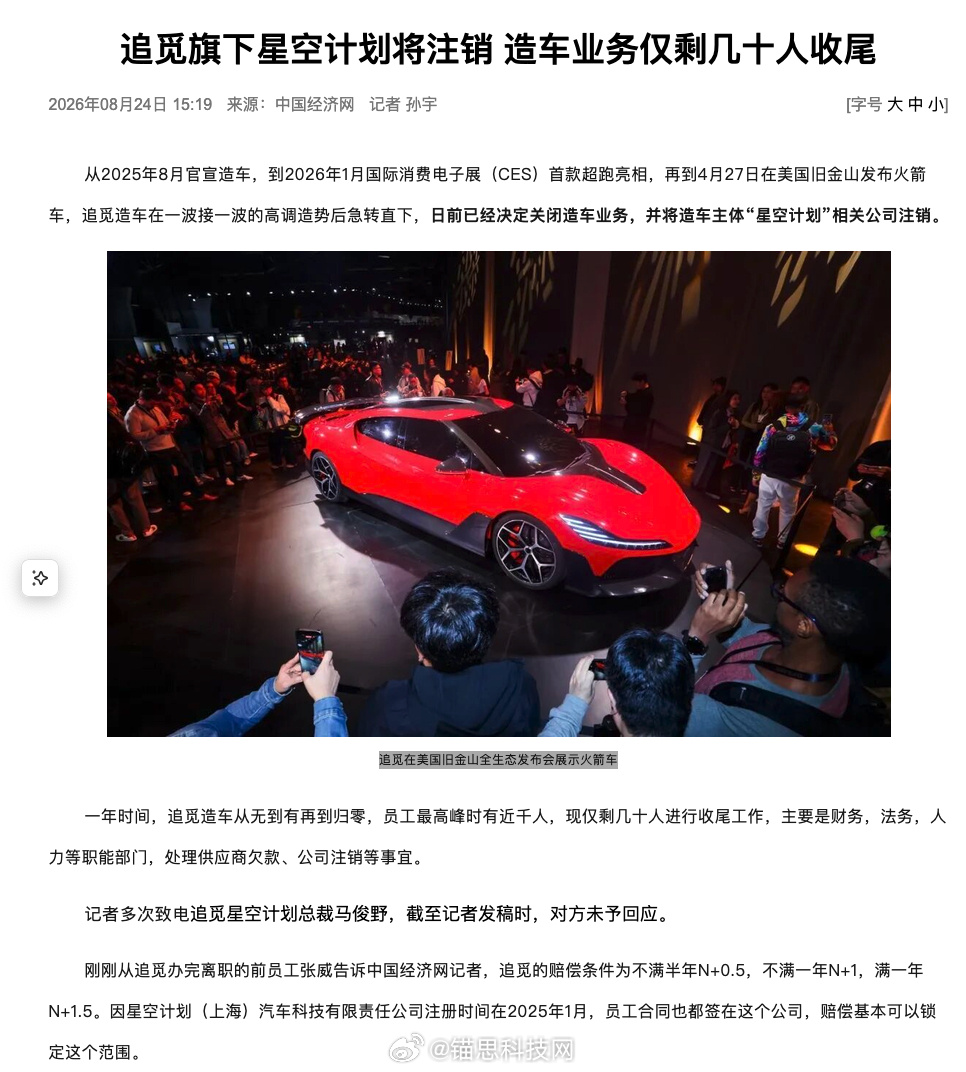
The most damaging detail came out on the way down. As a tech-channel post relaying the China Economic Net reporting laid it out, the sleek sports car Dreame displayed was a shell — no chassis installed, moved around by remote control. The "rocket car" that headline-writers loved had been bought from a Shanghai model-maker for several million yuan, then fitted with a chassis, powertrain and rocket thrusters to produce visual effects for the cameras. The hardest thing Dreame's car ever did in public was look fast.
There is a long lineage here. "PPT car-making" — announcing vehicles before factories exist — burned Chinese investors a decade ago, and the start-ups that survived spent years and fortunes learning to weld at scale. By 2025 the economics had hardened further: a price war at home, overcapacity across the industry, and consolidation talk everywhere. A newcomer without a factory was no longer courting venture money; it was trying to jump onto a moving train. The same week Dreame's project wound down, BYD, the world's largest EV maker, opened its 10,000th flash-charging station — infrastructure counted in the tens of thousands of plugs, built by companies that ship millions of vehicles.
Dreame's bet had a certain logic. Its vacuum motors genuinely are fast, and consumer-electronics brands have long eyed the EV business for its shared supply chains and its halo. But the crossovers that worked spent years building factories and delivering cars before their claims got grand — exactly the part Dreame skipped. The deregistrations will strike its car companies from the register. What the year leaves behind is a unit reduced from roughly a thousand people to a few dozen, a German site hunt that ends quietly, and a question the next launch event will have to answer: who, exactly, checked whether the car on stage could drive?