Nepal Mudslide Toll Climbs Past 750 as a 'Cryosphere Instability' Warning Spreads
Nepal's August 26 mudslide disaster has now left more than 750 confirmed dead and around 2,500 missing, while Chinese state media frame the cross-border glacier collapse that buried Tibet's Gyirong port as a warning that the planet's frozen 'cryosphere' is destabilizing — with 208 people, including 38 Chinese nationals, pulled alive from a tunnel in the disaster zone.
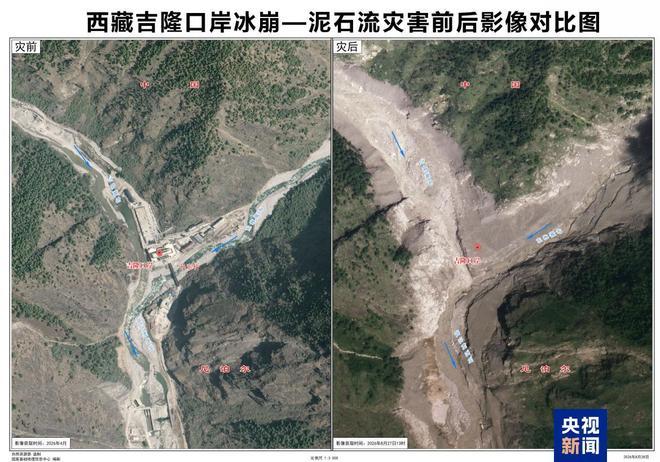
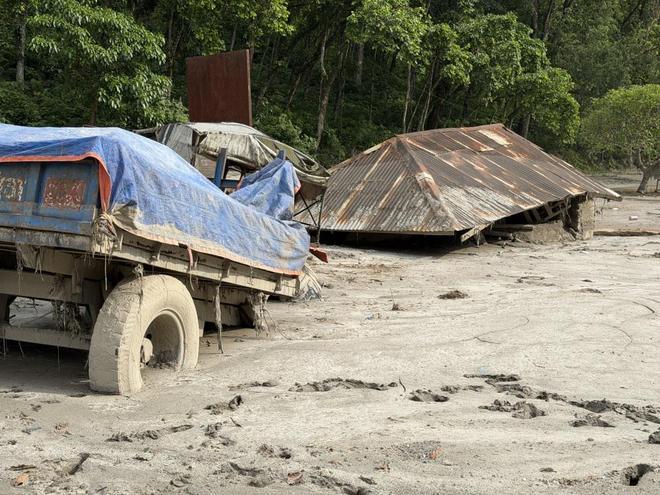
The numbers from the August 26 disaster on the China–Nepal border keep climbing. As of Sunday morning, Nepali authorities counted 734 dead and 2,498 missing from the mudslide, a toll Chinese state media carried with a stark framing: that the catastrophe is not a local freak event but a warning about the planet's ice. By the time CCTV's reporter reached the worst-hit Rasuwa district, the confirmed dead had risen past 750, with buses and a post office photographed sunk to their roofs in dried mud.
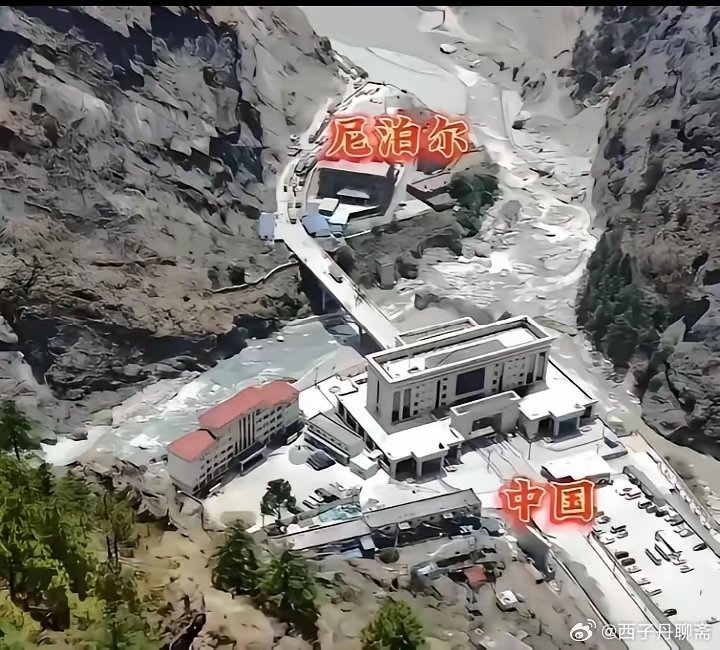
On the Chinese side of the border, the count at the buried Gyirong port stands at 16 dead and 546 missing — figures our cause-of-disaster briefing covered on Saturday, when officials pinned the trigger on a glacier across the Nepali frontier.
From a mountaintop, in minutes
The official Tibetan regional government press conference has now fixed the chain of events in unusual detail: at 10:52 a.m. on August 26, a glacier on the south face of Langtang Lirung in Nepal broke apart at around 5,200 meters, the ice-rock avalanche plummeting to roughly 4,000 meters and scouring the mountainside into a giant debris flow. It ran about 22 kilometers at high speed into the Gyirong port, flattening roughly 0.7 square kilometers and 27 buildings — a transit hub for trade between the two countries — in minutes, with no rainfall trigger at all.
It is that "no rain, no warning, no survivors-in-place" profile that has moved the story from disaster reporting to climate alarm. Chinese commentary, echoing a sharp op-ed in Taiwan's China Times, argues the event shows the "cryosphere" — the planet's frozen regions — is no longer melting slowly but failing suddenly. "The disaster did not begin at the foot of the mountain," as one widely shared post put it; "it began with the loosening of high-mountain ice." On Baidu's board, "is the Nepal ice collapse because of global warming?" sits among the top questions of the day.
Rescued from the dark
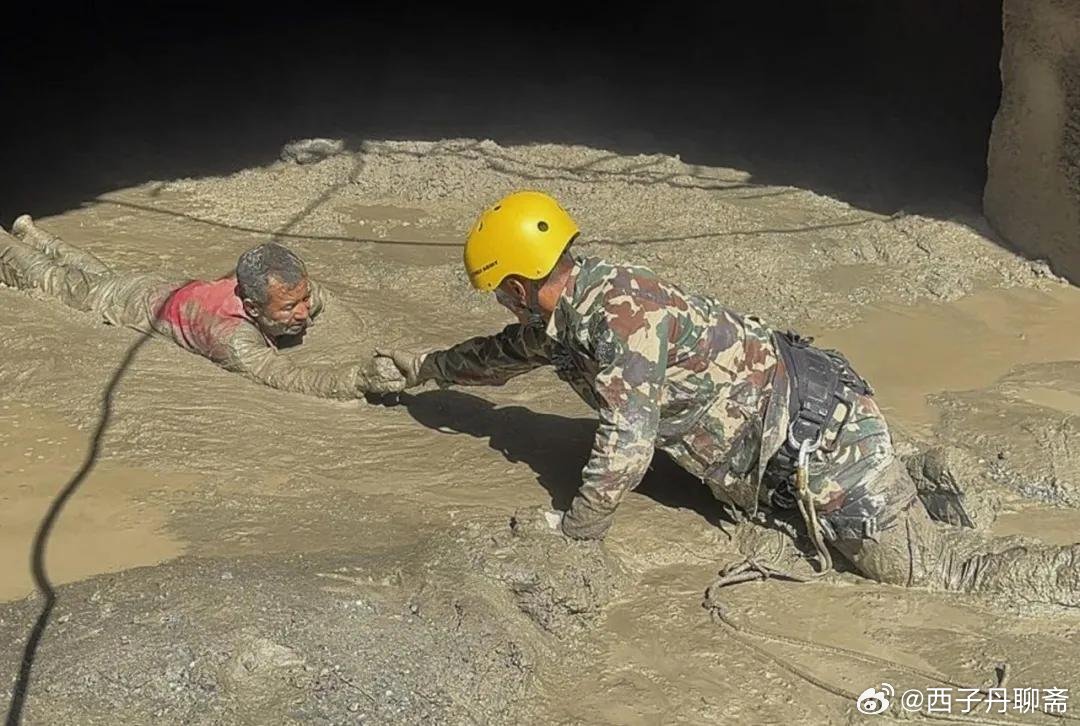
There were rare saves. On Saturday, Nepal's army pulled 208 people alive from a hydropower tunnel in Rasuwa county — among them 43 foreign nationals, 38 of them Chinese workers, according to posts that raced across Weibo under the headline "very good news." China's military has meanwhile dispatched a medical and epidemic-prevention detachment to the rescue front line, an acknowledgment that the next risks in the drowned valley are disease and the region's still-unstable slopes.
Two pieces of engineering news improved the odds on Sunday: the third debris-dammed lake — the same kind of barrier lake that brought rescue work to a standstill earlier in the week — has been essentially drained, and telecom crews have restored mobile signal at the port after days of blackout, per items on Baidu's board.
The search goes on for the missing on both sides of the border — our earlier coverage followed rescuers into the disaster's flattened core. What to watch now: whether the missing counts begin to resolve, whether Beijing's promised high-altitude glacier monitoring gets funding and dates, and whether the "cryosphere warning" framing survives contact with a news cycle that will move on long before the ice does.