Unitree Employees Say the Reward System Is 'Only Punishment, Almost No Reward'
Employees at Unitree, China's first listed humanoid-robot maker, describe a culture of 100-yuan expense approvals and punishment-only incentives — an inside look at the company behind the country's robot mania, two weeks after its blockbuster IPO.
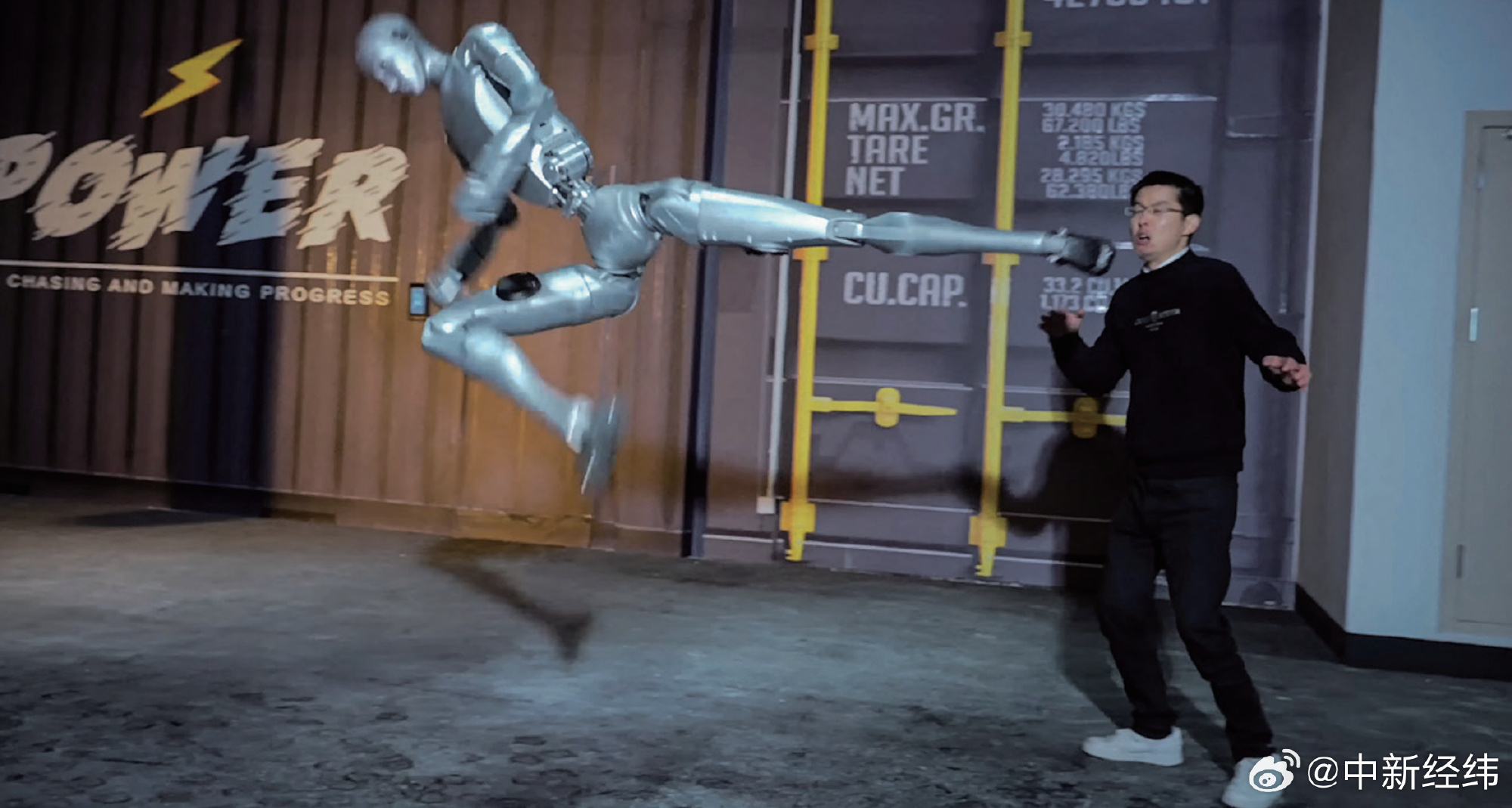
The past two weeks have made Wang Xingxing the most closely watched founder in China. His robotics firm Unitree listed on the Shanghai STAR Market on August 19 as the exchange's first "humanoid robot stock," and its market value briefly swelled to 440 billion yuan, making Wang China's richest person born in the 1990s. But a profile published by the business magazine Caijing this week is being read for a different reason: it describes, in unusual detail, what it is like to actually work inside the company — and the picture is stern.
According to the report, every expense claim above 100 yuan, roughly 14 US dollars, requires Wang's personal approval. Employees queue outside his office to get signatures; those briefing him are advised to talk quickly, because after two sentences they are likely to be interrupted. Staff said he reads product details down to the length of a screw, posts technical documents to work group chats at three in the morning, and generally leaves the office at four, returning to his desk by eight. Colleagues described him to the magazine as a "pure introvert" who lowers his head and walks past people in the corridor rather than make small talk.
The detail that landed hardest was the incentive system. "In Unitree's reward-and-punishment mechanism there is only punishment, almost no reward," one research-and-development employee told Caijing. Taking on an extra feature means maintaining more of the product with no extra pay, the employee said — which leaves colleagues asking why they shouldn't just do things the simple way. Base salaries rise more slowly than the industry norm, according to the report, even as headhunters regularly circle with offers above a million yuan a year. For some employees, the math of staying is getting harder to make.
The reporting landed at a delicate moment. Unitree's stock has halved within twelve days of its blockbuster debut, and has since slipped to second place among China's humanoid-robot stocks as the broader robot rally cools. A company valued on the promise that its machines will one day act autonomously is, on the inside, run on one founder's personal attention — the gap between the two stories is what has made the profile travel.
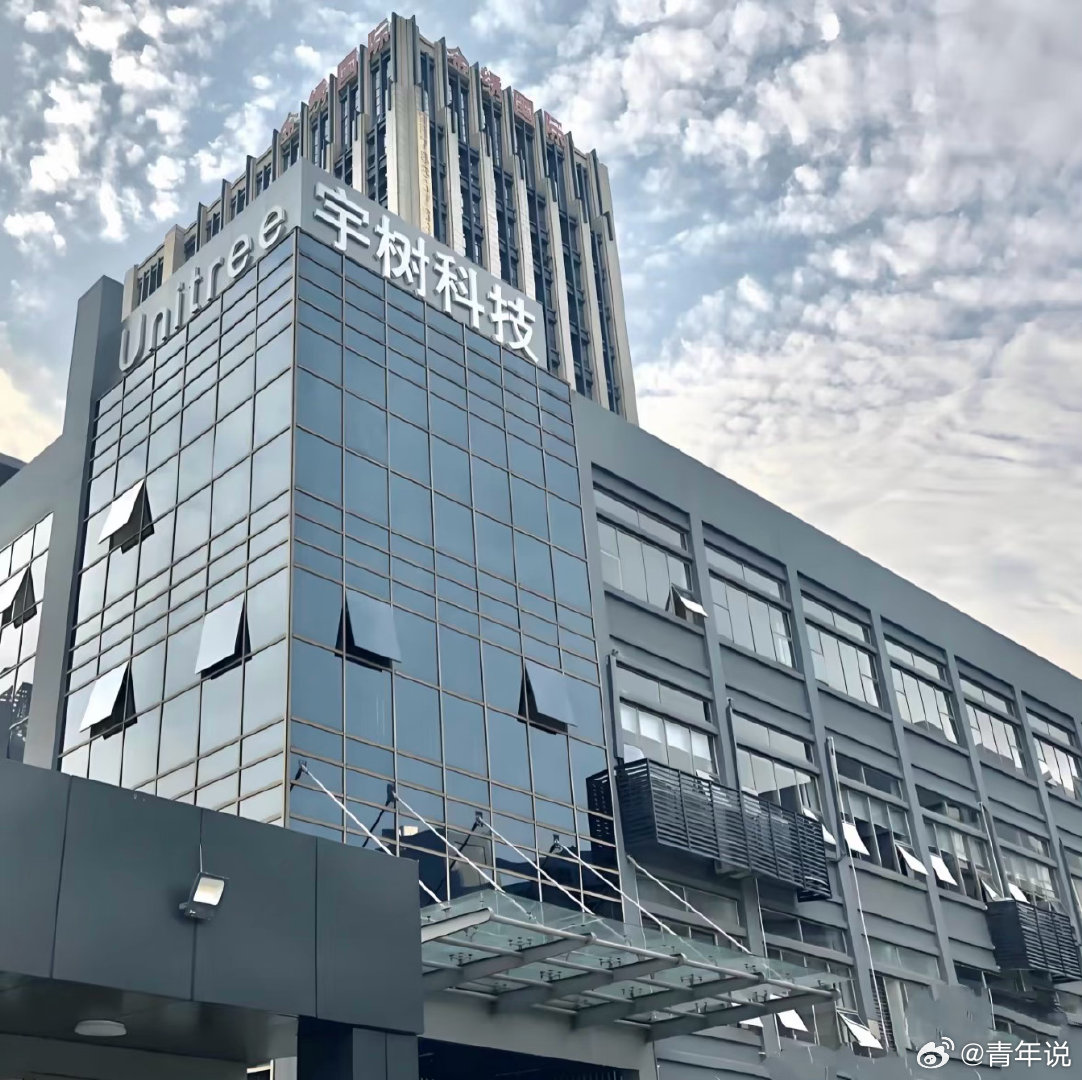
There is a protective instinct around the company, too. Caijing noted that Wang refused all interviews in the early years, only beginning to appear in public once investors pressed him on investor and government relations. Unitree has also warned suppliers that anyone borrowing its name to pump their own share prices will be dropped, a sign of how much speculative money now tracks the brand. Wang's frugality — every yuan spent, staff said, must land "on the blade's edge" — reads less like eccentricity than the operating philosophy of a company that undercut global rivals on cost.
The open question is whether this way of running a company scales. Caijing reported that so many employees now call to hurry Wang along that his time has become the company's scarcest resource; the queue outside his office is, in its way, the truest org chart Unitree has.