Why China's Best Table Tennis Players Are Sitting Out the Asian Championships
Wang Chuqin, Sun Yingsha, Wang Manyu and three teammates will skip next month's Asian Championships in Tashkent after a season of back-to-back internationals left the world's dominant squad exhausted — a rotation that hands the continental stage to a new generation and reignites a debate about how much competition is too much.
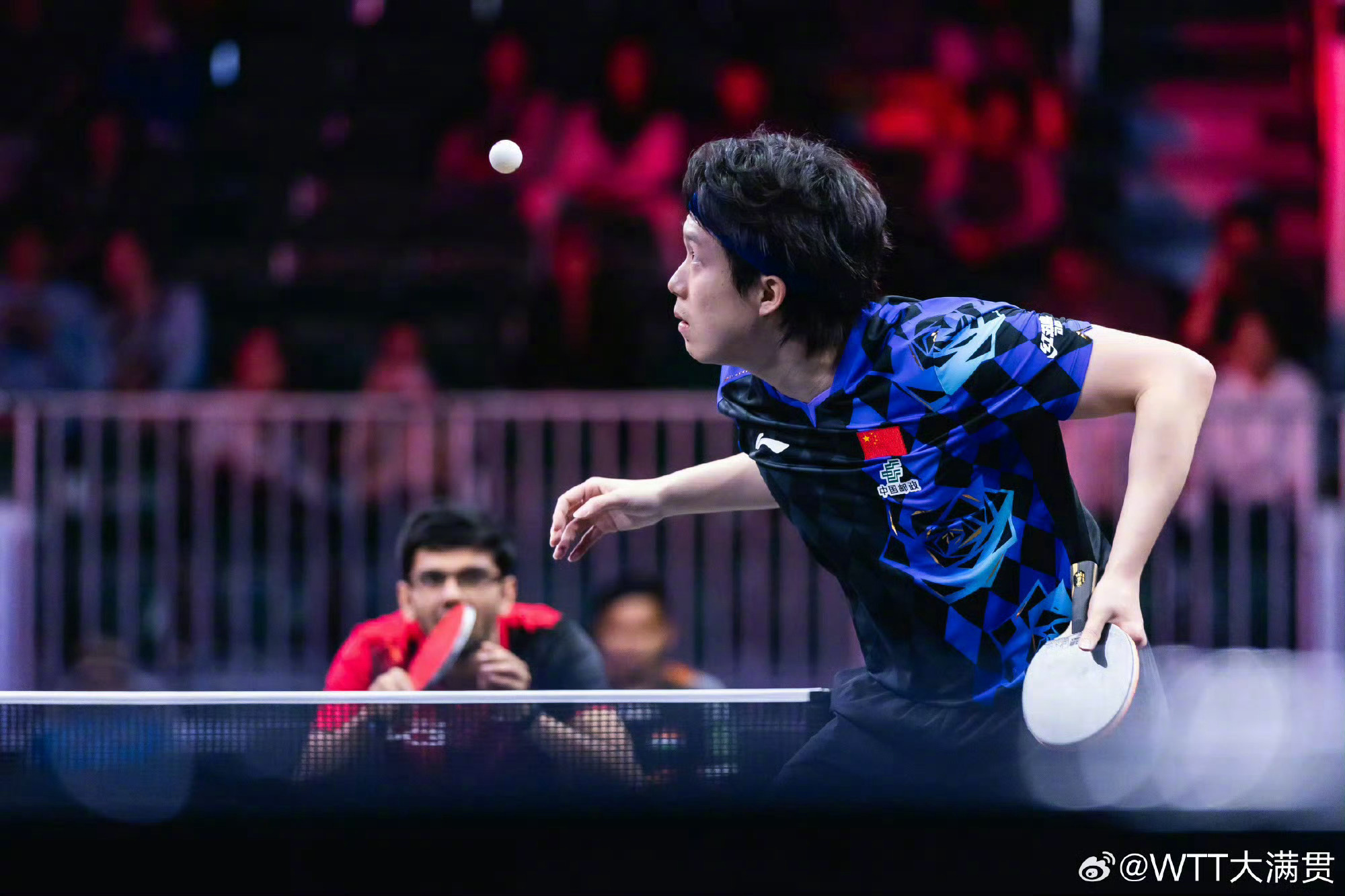
China's table tennis federation has done something once unthinkable for the world's most dominant sports program: it is sending a deliberately weakened team to a major continental championship. The Chinese Table Tennis Association this week published its selection method for the 2026 Asian Championships, to be held October 19–25 in Tashkent, and confirmed that five of its biggest stars — Wang Chuqin, Sun Yingsha, Wang Manyu, Chen Xingtong and He Zhuojia — are withdrawing from the process entirely. Zhou Qihuang, a singles specialist, will also skip the men's singles, doubles and mixed doubles draws.
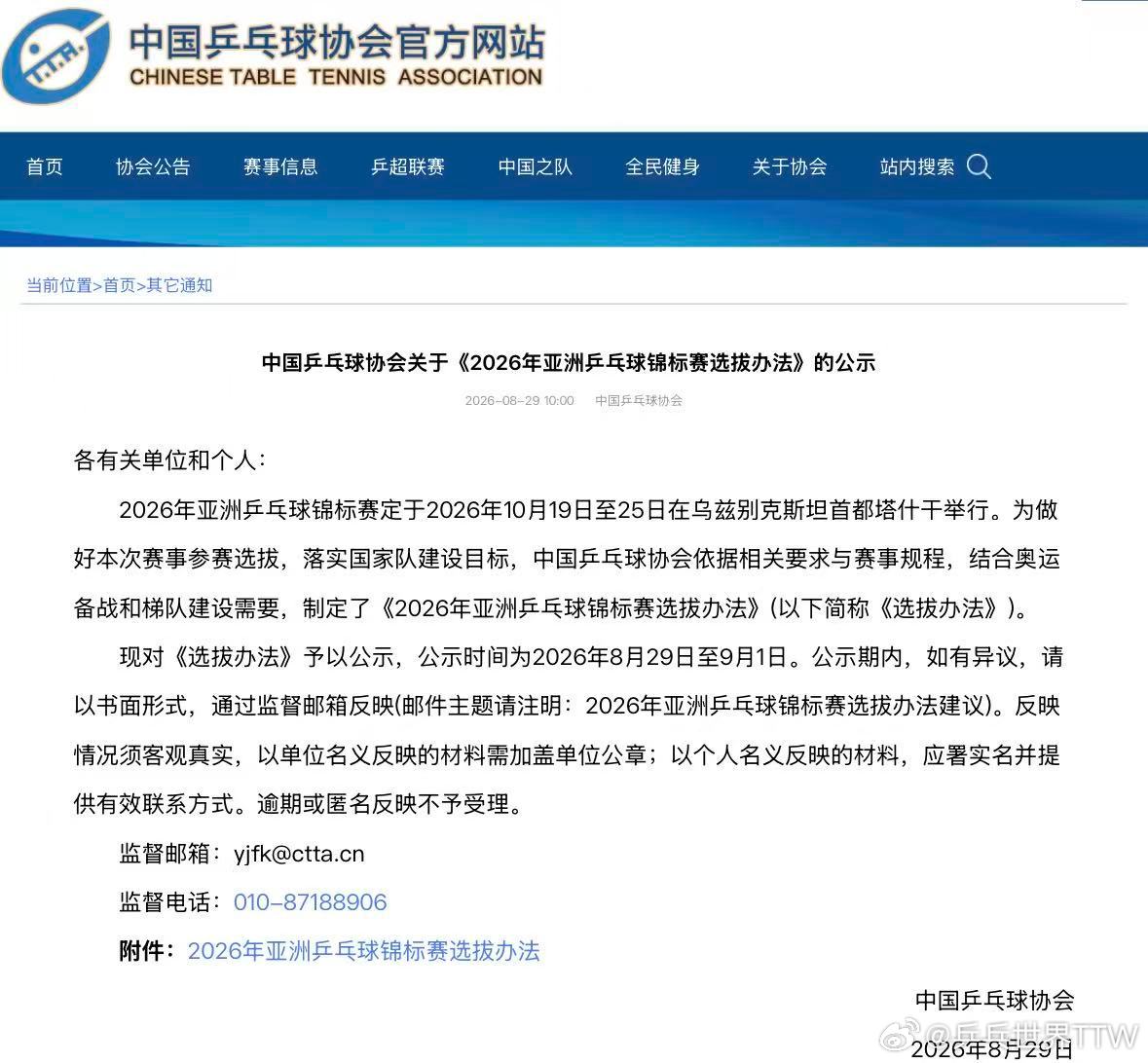
Head coach Qin Zhijian's explanation was disarmingly simple. Between the Asian Games in Japan, the mixed-team World Cup and a relentless World Table Tennis (WTT) circuit, the squad has barely stopped competing all year, he said — the players need a chance to breathe. The federation's own selection document frames the tournament not as a title defense but as a staging post for longer-term goals: serving the gold-medal targets of the Los Angeles 2028 and Brisbane 2032 Olympics. In practice, Tashkent becomes a tryout, the biggest international stage yet for a bench of players who rarely get it.
The withdrawals have struck a chord because they encode a quiet bargain at the heart of Chinese table tennis: domination is expensive, and even the sport's superpower has begun rationing its spending. A fan post recapping Wang Chuqin's season — six events entered, four titles won, the only men's singles world champion of 2026 — drew more than 11,000 likes, and it pressed the point further: the world No. 1 recently had an old injury flare up and is in a treatment-and-training block ahead of the Macau Champions event and the Asian Games. He has, after all, just come off winning his third WTT Macau crown and regaining the top ranking, a schedule few athletes in any sport could sustain.
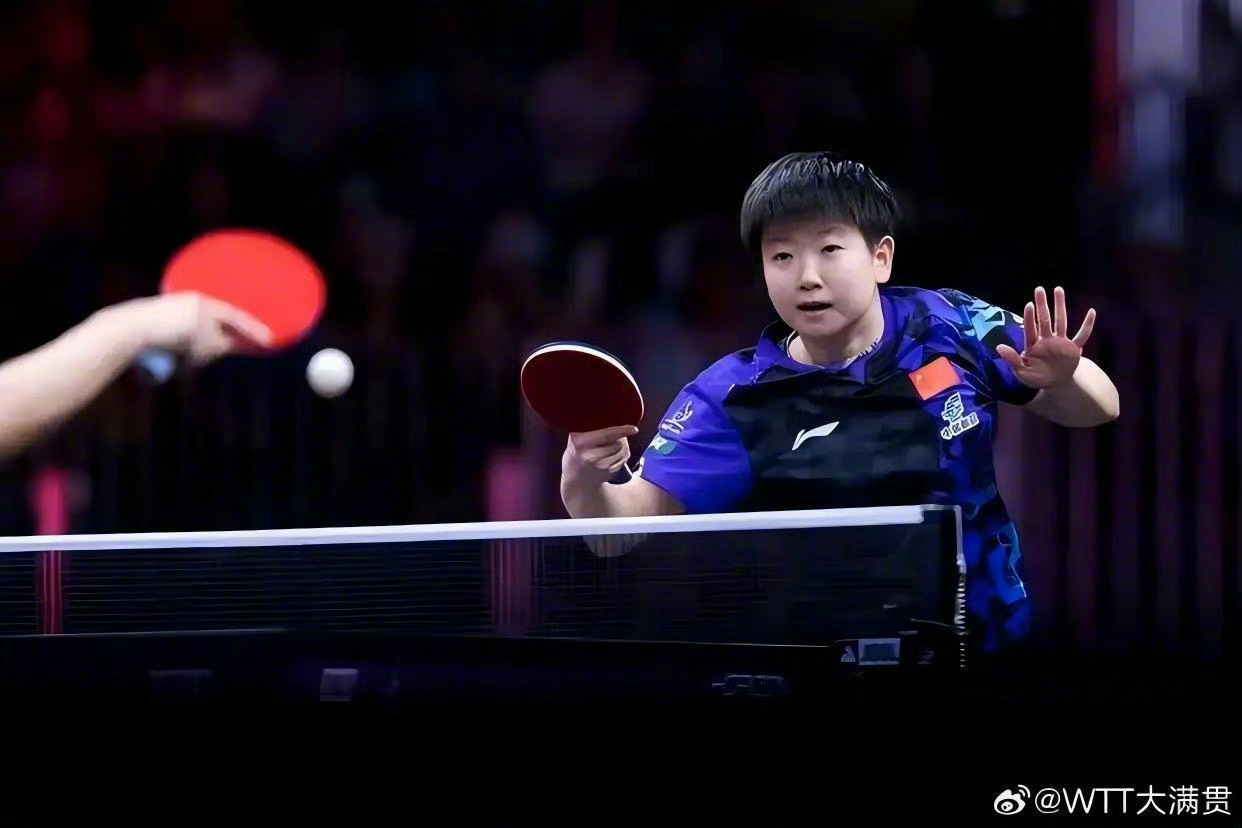
The debate has spilled well beyond one fandom. The topic trended on Baidu's search board — where the story was framed around the head coach's response — and a Zhihu question about the withdrawals drew hundreds of answers arguing over whether the move is sensible athlete management or an overcorrection that devalues an Asian title. One widely shared comment noted the irony that five players had stood down together, yet public attention fixed on a single name.
What happens in Tashkent will make the experiment legible. Chinese squads have so thoroughly owned the Asian Championships that a "B team" heading to Uzbekistan is, by itself, front-page sports news in the region; if the next generation holds the continental crown anyway, the federation's gamble will look like farsighted squad management rather than a retreat. Either way, the message to the rest of the sport is plain: China now treats even its second string as a threat to win.